
The Ultimate Guide to Buying Your First Home


Understanding Your Budget
Buying your first home is an exciting milestone, but it begins with understanding your budget. Start by evaluating your finances to determine how much you can afford. Consider your income, savings, and any existing debts. It's crucial to have a clear picture of your financial health before you begin your search.

Once you have a handle on your finances, think about the down payment. Typically, a 20% down payment is ideal, but there are options available for lower percentages. Don’t forget to factor in closing costs, which can range from 2% to 5% of the home's purchase price.
Securing a Mortgage
Securing a mortgage is a critical step in the home-buying process. Start by researching different types of mortgages and interest rates. Fixed-rate and adjustable-rate mortgages are the most common options. Each has its benefits, so choose based on what suits your long-term plans.
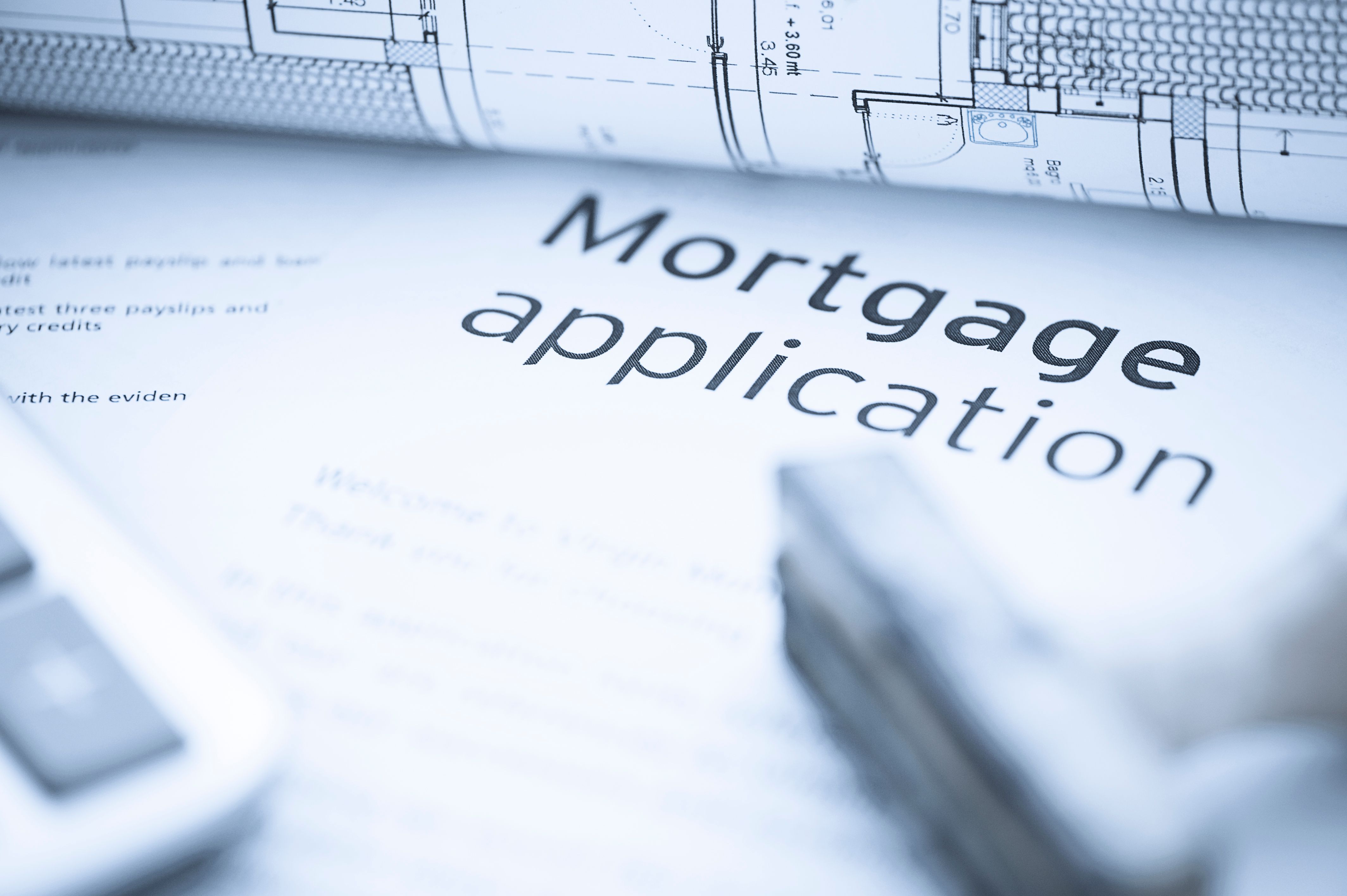
Pre-approval for a mortgage can give you a competitive edge. It shows sellers that you are serious and financially prepared. Reach out to multiple lenders to compare offers and find the best terms. Remember, the lowest rate isn’t always the best deal, so consider the overall package.
Choosing the Right Location
Location is one of the most important factors when buying a home. Think about your lifestyle and priorities. Do you need to be close to work, schools, or public transportation? Research neighborhoods to understand their amenities, safety, and community vibe.
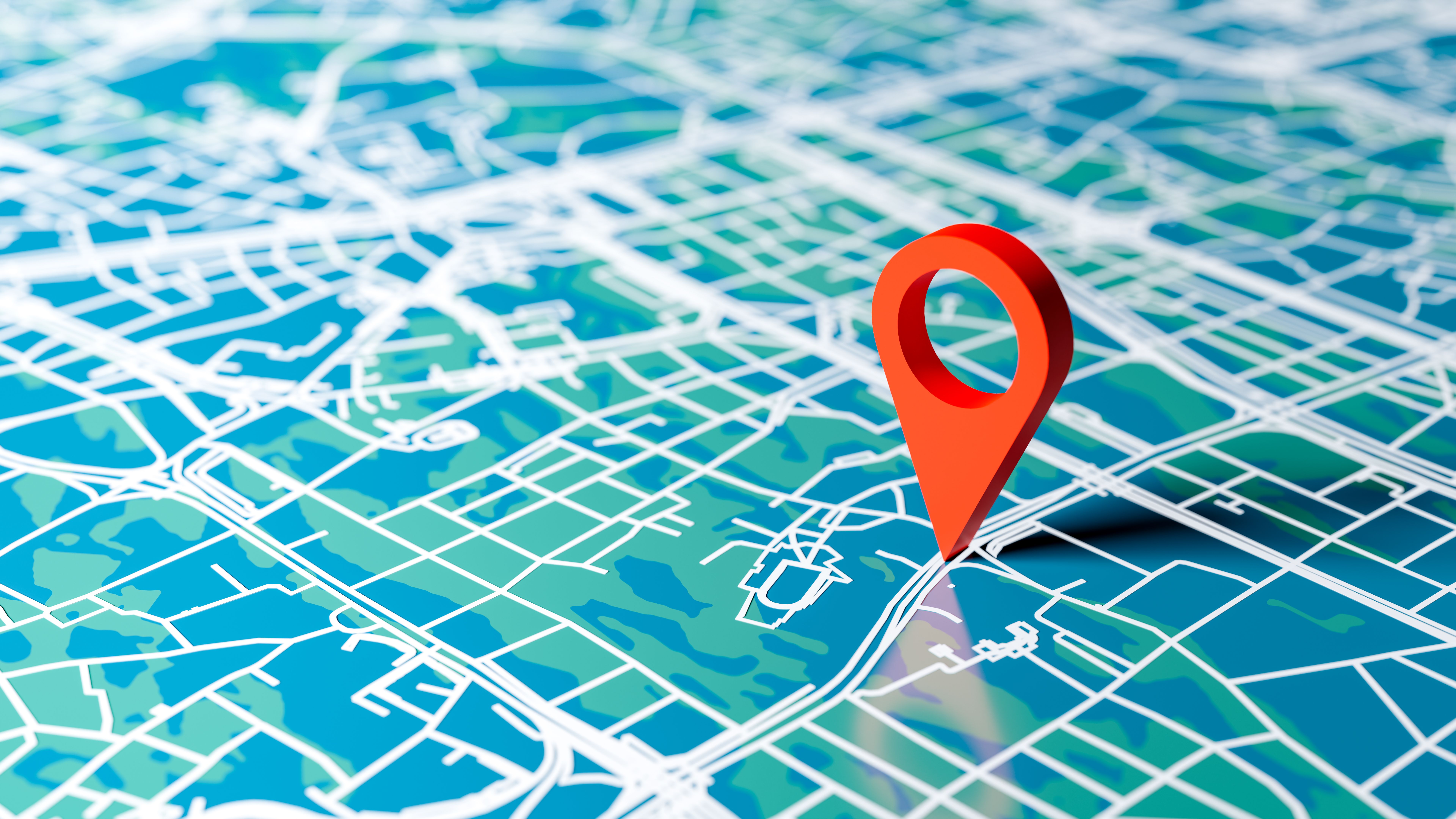
Visit potential neighborhoods at different times of the day to get a feel for the area. Talk to locals and consider future developments that might affect property values. A well-researched location can ensure your investment grows over time.
Finding the Perfect Home
With a budget and location in mind, it's time to start house hunting. Create a list of must-haves and nice-to-haves to guide your search. Consider factors like the number of bedrooms, layout, and yard space.
Work with a reputable real estate agent who understands your needs and budget. They can provide valuable insights and help you navigate potential pitfalls. Don’t rush the process—take your time to find a home that truly fits your criteria.
Making an Offer and Closing the Deal
Once you find the right home, it's time to make an offer. Your real estate agent can help you craft a competitive offer based on market conditions and comparable sales. Be prepared for negotiations, especially in a seller's market.
After your offer is accepted, the closing process begins. This involves home inspections, appraisals, and finalizing your mortgage. Pay close attention to the details and ask questions if anything is unclear. Closing is the final step before you get the keys to your new home.